

Table of Contents
- Why Do Teeth Move in the First Place?
- Common Culprits Behind Shifting Teeth
- How Your Dentist Can Help
- Protecting Your Smile at Home
- Is it normal for teeth to shift as you age?
- Can my teeth shift back if I stop wearing my retainer?
- What are the warning signs that teeth are shifting?
- Does teeth grinding really cause permanent damage?
- How quickly should I see a dentist if I notice movement?
- Taking Charge of Tooth Movement
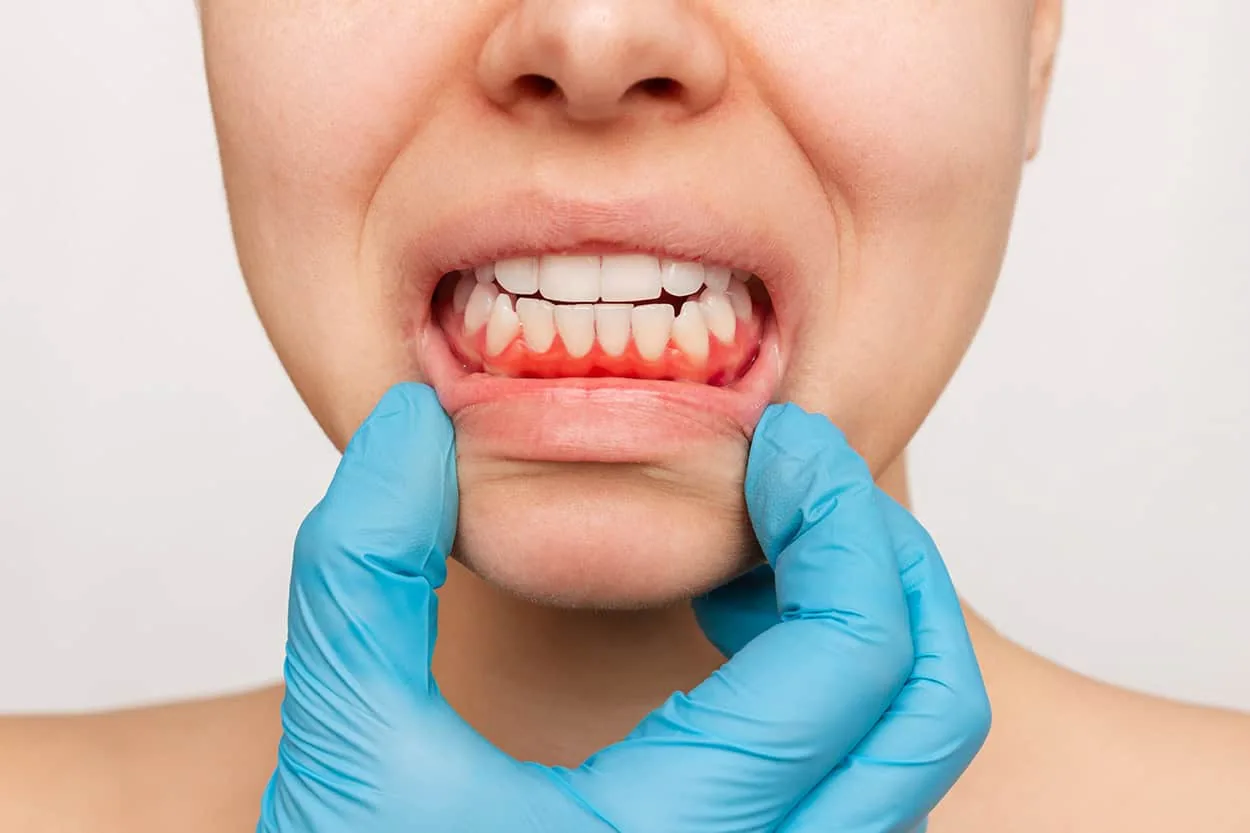
You glance in the mirror and notice something different about your smile. Maybe a tooth that used to be straight now overlaps its neighbor, or gaps have appeared where none existed before. If your teeth are shifting, you are not alone. This gradual movement happens to countless adults, often catching them by surprise. Understanding why teeth move—including factors like bone loss and receding gums—helps you take action before small changes become significant problems. In some cases, periodontal maintenance can support your teeth need to stay firmly in place.
Why Do Teeth Move in the First Place?
Many people assume their teeth are permanently fixed in place, but the reality is more nuanced. Your teeth connect to your jawbone through periodontal ligaments and cementum, creating a system designed to absorb biting forces. This flexibility serves an important purpose, yet it also means your teeth can gradually shift position over time.
As you age, your jawbone naturally grows forward and becomes narrower, often crowding lower teeth first. Tooth loss leaves gaps that neighboring teeth drift toward. Habits like tongue thrusting apply subtle but persistent pressure. When your teeth are shifting, the underlying cause matters enormously for determining the right solution.
Common Culprits Behind Shifting Teeth
Orthodontic relapse tops the list for anyone who previously wore braces or aligners. Once those appliances come off, teeth have a natural tendency to drift back toward their original positions. Research indicates this commonly occurs when retainer bonds break or patients stop wearing removable retainers as prescribed.
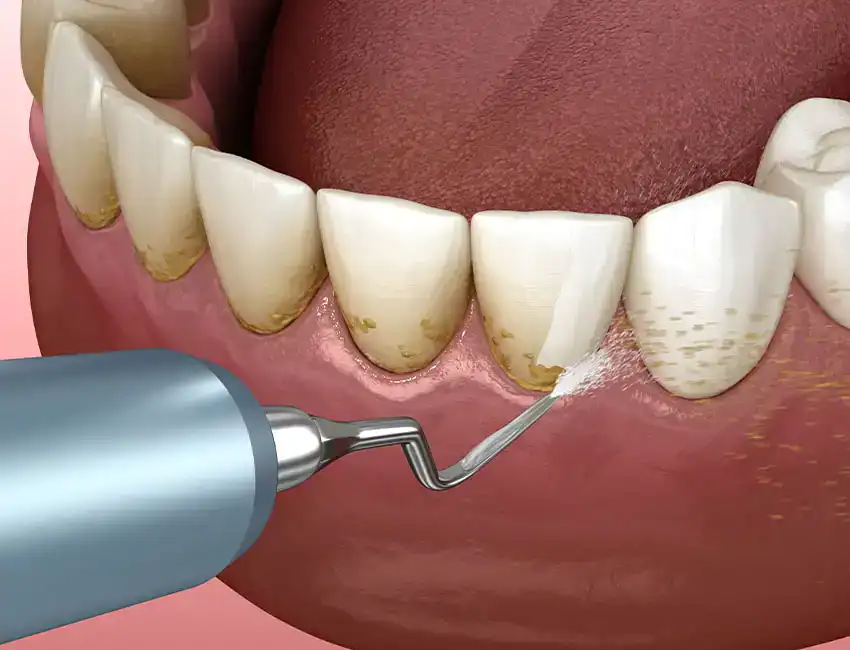
Periodontal disease poses another significant threat. When bacterial plaque accumulates beneath the gumline, it triggers inflammation that destroys bone and ligaments supporting your teeth. As these structures deteriorate, teeth lose their stable anchoring and begin to shift. Bruxism, or teeth grinding, applies forces far exceeding normal chewing pressures, wearing down enamel and pushing teeth out of alignment over time.
How Your Dentist Can Help
Treatment depends entirely on the underlying cause and severity. For patients whose teeth are shifting after orthodontic treatment, a new retainer often solves the problem. More significant relapse might require clear aligners or braces before transitioning back to retainer maintenance.
When gum disease contributes to movement, treating the infection takes priority. Scaling and root planing removes bacterial deposits, allowing inflamed tissues to heal. Grinding responds well to custom night guards that cushion teeth during sleep. For missing teeth, dental implants or bridges fill gaps and prevent neighboring teeth from drifting.
Protecting Your Smile at Home
Your daily habits play a crucial role in maintaining tooth alignment. Brush twice daily with fluoride toothpaste, clean between teeth with floss, and maintain regular dental appointments. If you completed orthodontic treatment, commit to wearing your retainer exactly as prescribed—many orthodontists recommend nighttime wear indefinitely.
Pay attention to habits that stress your teeth. Quit chewing ice, pens, or fingernails. Address jaw clenching by practicing relaxation techniques or asking about a mouth guard.
Is it normal for teeth to shift as you age?
Yes, some shifting occurs naturally throughout adulthood as your jawbone changes shape. However, rapid or significant movement often signals an underlying issue worth addressing with your dentist.
Can my teeth shift back if I stop wearing my retainer?
Absolutely. Teeth tend to return toward their original positions after orthodontic treatment. Without consistent retainer wear, relapse can begin within weeks or months.
What are the warning signs that teeth are shifting?
Watch for changes in how your teeth fit together when you bite, new gaps or crowding, teeth that appear tilted, and difficulty flossing in previously easy areas.
Does teeth grinding really cause permanent damage?
Chronic grinding wears down enamel, causes fractures, and pushes teeth out of alignment. A night guard protects against these consequences.
How quickly should I see a dentist if I notice movement?
Schedule an appointment as soon as you notice changes. Early intervention typically means simpler, less expensive treatment.
Taking Charge of Tooth Movement
Discovering that your teeth are shifting can feel discouraging, but recognizing the problem puts you in a powerful position. With prompt attention and ongoing prevention, you can preserve your alignment and enjoy a confident smile for years to come.
If you want to learn more about periodontal maintenance, visit our Periodontal Maintenance in Mission Viejo page or schedule a consultation.