

Table of Contents
Dental Implants, Restorative Dentistry
We often hear patients wondering about how long dental implants last. Many patients keep them for the rest of their lives. But implant longevity is not only about the implant itself. Long-term success depends on the quality of the foundation, planning, clinician, implant system, restoration, and maintenance. Dental implants should not be treated like a commodity. Not all implant systems are the same, not all clinicians are the same, not all labs and parts are the same, and not all implant cases are the same.
Key Takeaways
- Dental implants can last for decades when the foundation and maintenance are right.
- Bone quality, gum thickness, and a thorough pre-implant evaluation shape long-term success.
- Implant systems, laboratory work, and clinician experience all affect the final outcome.
- Titanium is the standard material; zirconia is an option in specific cases.
- The implant post itself often outlasts the crown, which may need periodic maintenance.
The Foundation Matters First
Before placing an implant, the better question is not whether an implant can go in, but whether the bone and gum tissue can support it for years to come. A dental implant needs healthy bone around it and stable gum tissue over it. Bone that is thin, short, infected, or poorly shaped leaves the implant more vulnerable over time.
Gum tissue matters just as much. Tissue that is thin, receded, or lacking firm protective gum can make the area harder to clean and more prone to inflammation, recession, or esthetic concerns. A careful pre-implant evaluation is one of the most important steps toward long-term implant success.
Pre-Implant Evaluation
Recommending an implant is a decision built on evidence, not assumption. Before treatment is planned, the site is studied in detail to understand what is already there, what is missing, and what may become a problem years down the road. Imaging, clinical measurements, and a review of your health history all feed into that picture. Each of the following factors carries weight, and together they determine whether an implant placed today will still be stable and comfortable a decade from now:
- Quality of the future crown or restoration
- Bone height and width
- Bone density and shape
- Gum thickness and gum quality
- The amount of firm, protective gum tissue around the implant area
- Smile line and esthetic risk
- Bite forces and grinding habits
- History of gum disease
- Medical risk factors such as diabetes or smoking
Improving the Site Before Implant Placement
Sometimes, the best way to protect the long-term result is to improve the foundation before placing the implant. This may include rebuilding lost bone, improving the gum tissue around the implant area, treating gum disease, or managing heavy bite forces from clenching or grinding. These steps are not just “extra procedures.” In the right case, they are part of creating a stronger, healthier, and more maintainable implant result.
Not All Implant Systems Are the Same
Dental implant systems differ in design, surface technology, connection stability, prosthetic options, research support, and long-term availability of parts.
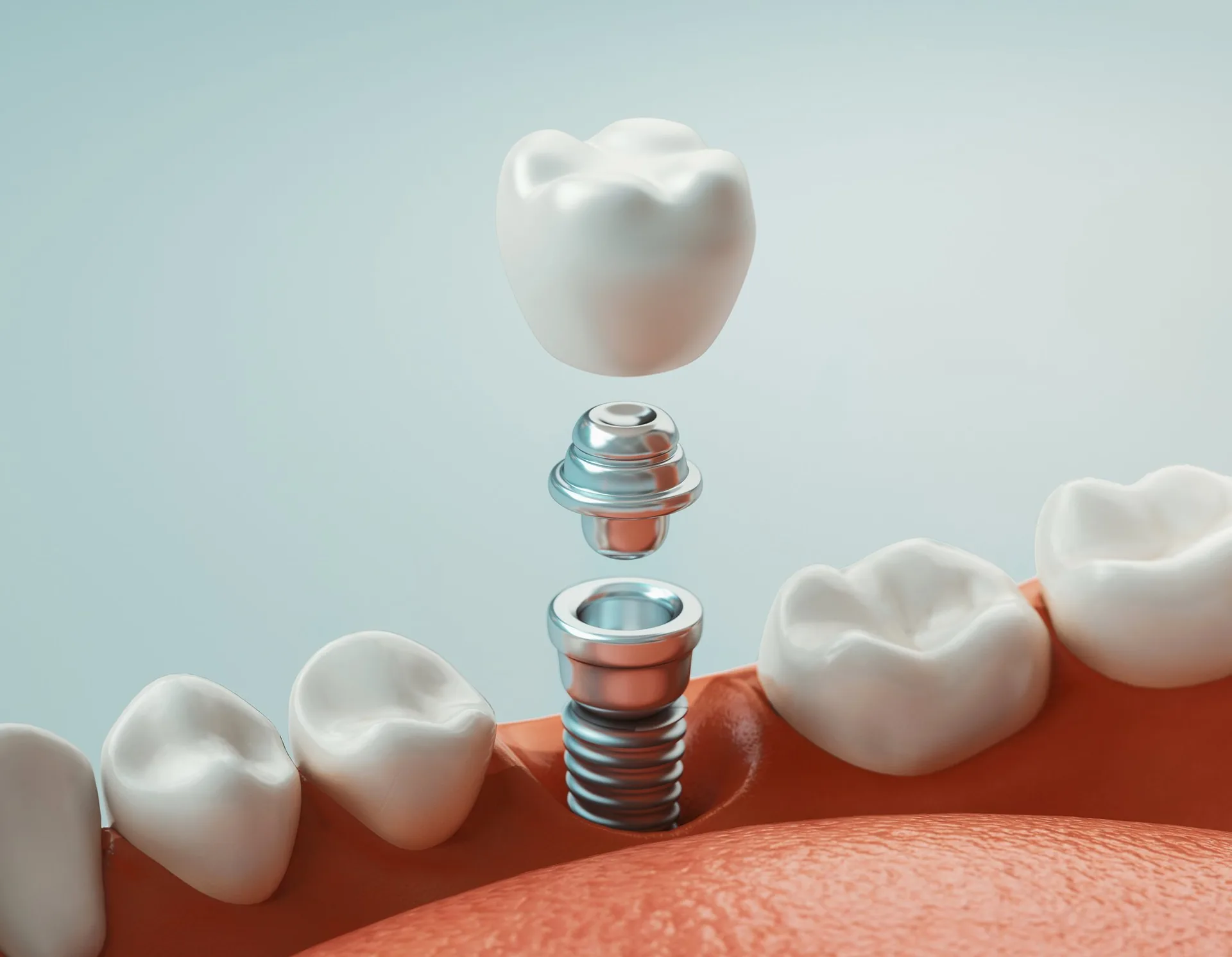
This matters because an implant is not only the screw placed in the bone. The abutment, screw, crown, and laboratory work all affect the final outcome. A well-planned implant with high-quality parts and a well-designed crown is easier to maintain and more predictable over time.
Not All Clinicians, Labs, and Cases Are the Same
A single implant in a healthy site is very different from an implant in an area with bone loss, gum recession, infection, esthetic concerns, or a history of periodontal disease. Experience matters. The design of the crown matters. The patient’s bite and hygiene matter. Dental implant success is a team effort between biology, planning, surgery, restoration, and maintenance.
What About Zirconia Implants?
Most dental implants are made of titanium, which has a long history of success. Zirconia implants are ceramic and may be an option for selected patients who prefer a metal-free alternative or have specific esthetic concerns. Zirconia implants can be a good choice in the right situation, but they are not automatically better for every patient. The decision depends on bone quality, gum thickness, bite forces, implant position, esthetic needs, and the overall treatment plan. During a consultation, your doctor can discuss whether titanium or zirconia is more appropriate for your specific case.
How Long Do Implants Last?
The implant post itself can last for decades when the surrounding bone and gum tissue remain healthy. The crown or tooth attached to the implant may need repair or replacement over time, often after many years of chewing function. This type of maintenance does not necessarily mean the implant has failed. It is similar to maintaining other dental restorations over time.
The Key to Long-Term Success
The best implant outcomes start before the implant is placed. Strong bone support, healthy gum tissue, careful planning, a quality implant system, thoughtful restorative design, and consistent maintenance all work together to protect the implant over time. Our evaluation looks at the full foundation, including bite forces, esthetic needs, and medical history, because the goal is not simply to place an implant. It is to create results that stay healthy, stable, functional, and maintainable for years.
- If you want to learn more about dental implants and what will work for your specific situation, visit our Dental Implants in Mission Viejo, CA, page or schedule a consultation.